|
News
TaWaKa
NeRaTaYa
TahCha
RoWiNaHiNa
KuhPa
Scrapbook
Links
Contact us |
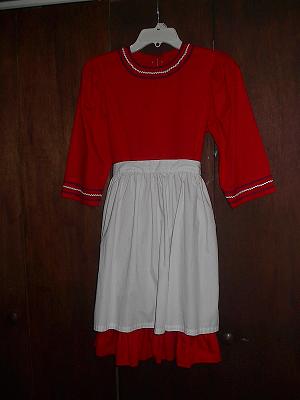 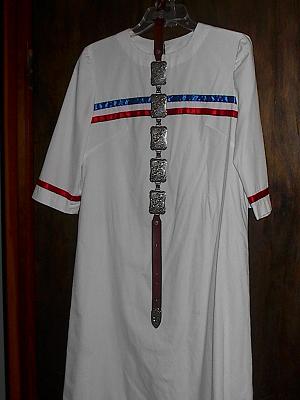
In the early to mid 1700�s, Monsieur La Page Du Pratz, a Frenchmen, crossed the Red River and proceeded up river where he found the remnants of the "Tunicas". He said the "Tonica" were always very much attached to the French as much as allies in battle (Du Pratz, History of Louisiana: London 1774). Du Pratz talks about the Tonica Chief as being ready to make war upon the enemies of the French. The French King sent a message to the Chief Cahura Joligo commissioning him as General of the Red Army (Brigadier) and a blue ribbon from which a silver medal hung. The French King also sent a golden headed cane to the Chief. The Chief wore all these things sent to him proudly for he considered them honorable distinctions bestowed upon him.
The red, white and blue ribbons that are worn on the dresses of the women and shirts of the men today seem to be the influence of historical events and that of the Creek, who like the Tunica, observed the Green Corn ceremony. Although the Creek and the Tunica have similar ceremonial rights it�s noted that the idea of Green Corn celebration is of different meaning to each group.
It has been said that the colors of the red, white and blue stem from that event which declared a Tunica Chief Head of a Native Army and his adoption of the French colors to honor the French King. No one knows definitely whether this is true, but our own reflection upon our tradition would certainly warrant further investigation. We must deny the fact that whether our colors are borrowed or that similarities to other cultures pervade we are Tunica and no one can ever take this away from us. |